
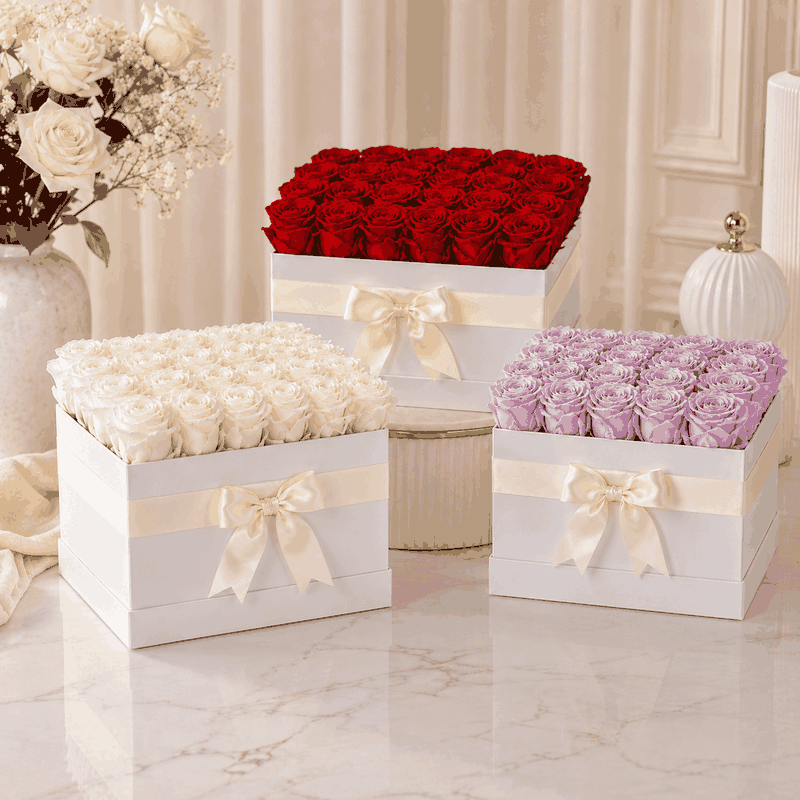
Flowers communicate through more than their shape and fragrance. Color is often the first thing people notice in an arrangement, and it plays a major role in the feeling the flowers create.
A bright yellow bouquet can feel joyful and energetic. Soft pink flowers may feel gentle and affectionate. White flowers can create a calm and elegant impression.
Although flower colors do not have one universal meaning for every person or culture, they can help guide the mood of an arrangement. Understanding the feeling behind each color makes it easier to choose flowers that fit the occasion and the recipient.
Here is a simple guide to flower color meanings and how to use them when choosing an arrangement.
Red Flowers: Love, Passion, and Strong Emotion
Red flowers are often associated with romance, love, desire, and deep affection.
Red roses are the most traditional example, but other red blooms can also create a dramatic and meaningful arrangement. Red carnations, tulips, gerbera daisies, anemones, and seasonal flowers can all bring warmth and intensity to a bouquet.
Red flowers are often chosen for:
- Romantic gestures.
- Anniversaries.
- Valentine’s Day.
- Important celebrations.
- Expressions of deep love.
- Bold, elegant décor.
A full red arrangement can feel classic and dramatic. Red flowers mixed with white, blush, cream, or greenery can create a softer and more balanced look.
Pink Flowers: Affection, Admiration, and Sweetness
Pink flowers often create a feeling of kindness, warmth, admiration, and gentle affection.
They can be romantic without feeling as intense as red flowers, which makes them a versatile choice for many occasions. Pink is often used in arrangements for birthdays, thank-you gifts, baby celebrations, friendship, Mother’s Day, and expressions of appreciation.
Light pink flowers can feel soft, calm, and delicate. Brighter pinks can feel playful, confident, and energetic.
Pink flowers are a thoughtful choice for:
- Friends and family.
- Birthdays.
- Thank-you gifts.
- New baby celebrations.
- Get-well wishes.
- Gentle romantic gestures.
- Everyday surprises.
Popular pink flowers may include roses, carnations, peonies, gerbera daisies, tulips, hydrangeas, and seasonal garden blooms.
Yellow Flowers: Joy, Friendship, and Optimism
Yellow flowers are among the most cheerful choices in floral design.
They are often associated with happiness, friendship, positivity, energy, and encouragement. A yellow arrangement can make a room feel brighter and can be especially uplifting during difficult or stressful moments.
Yellow flowers work beautifully for:
- Birthdays.
- Congratulations.
- Friendship.
- Get-well wishes.
- Thank-you gifts.
- Graduations.
- New beginnings.
- “Thinking of you” messages.
Sunflowers, yellow roses, daisies, tulips, craspedia, and yellow lilies are commonly used to create a warm and positive feeling.
A yellow bouquet can stand on its own or be mixed with orange, white, green, or purple flowers for more contrast.
Orange Flowers: Energy, Enthusiasm, and Celebration
Orange flowers feel warm, vibrant, and full of life.
They are often chosen for celebrations, fall arrangements, congratulations, and moments that call for something bold and joyful. Orange can bring a sense of movement and excitement to a bouquet.
Orange flowers are a strong choice for:
- Milestone birthdays.
- Congratulations.
- Housewarming gifts.
- Fall celebrations.
- Thank-you gifts.
- Events and parties.
- Someone with a bright, outgoing personality.
Orange roses, gerbera daisies, tulips, marigolds, ranunculus, and seasonal flowers can all create a lively and welcoming arrangement.
When mixed with yellow, red, or deep burgundy tones, orange flowers can create a warm, rich, autumn-inspired design.
White Flowers: Peace, Elegance, and Simplicity
White flowers are often associated with peace, purity, elegance, sympathy, and new beginnings.
They can feel timeless and refined, whether they are arranged alone or combined with green foliage and soft neutral flowers. White arrangements are often chosen for weddings, sympathy occasions, formal events, and calm home décor.
White flowers may be appropriate for:
- Weddings.
- Sympathy and memorial flowers.
- Religious celebrations.
- Housewarming gifts.
- Elegant dinners or events.
- New beginnings.
- Minimalist or classic décor.
White roses, orchids, hydrangeas, lilies, tulips, carnations, and stock flowers are commonly used in elegant arrangements.
A white-and-green arrangement can feel fresh and clean, while white flowers mixed with blush, lavender, or pale blue tones can create a softer and more romantic appearance.
Purple Flowers: Creativity, Thoughtfulness, and Sophistication
Purple flowers often create a sense of creativity, mystery, elegance, and thoughtfulness.
Light lavender tones can feel calm and gentle, while deeper purple flowers can feel luxurious and dramatic. Purple is a beautiful choice for people who enjoy unique, artistic, or less traditional floral arrangements.
Purple flowers work well for:
- Birthdays.
- Creative celebrations.
- Thank-you gifts.
- Elegant events.
- Romantic gestures.
- Sympathy arrangements.
- Someone who loves distinctive colors.
Lavender roses, irises, lisianthus, stock, orchids, hydrangeas, and alliums can bring depth and texture to an arrangement.
Purple flowers can look especially striking when paired with white, green, blush, or deep burgundy tones.
Blue Flowers: Calm, Trust, and Serenity
Natural blue flowers are less common than flowers in red, pink, yellow, or white, which can make them feel especially distinctive.
Blue often creates a calm, peaceful, and thoughtful mood. It can work beautifully in sympathy arrangements, elegant designs, celebrations, and gifts for someone who appreciates softer or cooler color palettes.
Blue flowers may be used for:
- Calm and peaceful arrangements.
- Sympathy or support.
- Baby celebrations.
- Elegant home décor.
- Thoughtful gifts.
- Events with blue color themes.
Delphiniums, hydrangeas, irises, and certain dyed flowers may be used to create blue-toned designs.
Because blue flowers are often more unusual, they can make an arrangement feel memorable and unique.
Green Flowers and Foliage: Balance, Freshness, and Renewal
Greenery is not just a background element in an arrangement. It adds structure, movement, freshness, and balance.
Green flowers and foliage can make a bouquet feel natural, calm, and full of life. They are often used to soften bright colors, add texture, and create a more garden-inspired style.
Green tones work especially well for:
- Modern arrangements.
- Minimalist designs.
- Sympathy flowers.
- Home décor.
- Spring celebrations.
- Nature-inspired events.
Green hydrangeas, bells of Ireland, eucalyptus, ruscus, ferns, and seasonal foliage can all add beautiful dimension to floral designs.
Choose the Color That Feels Most Personal
Color meanings can be helpful, but they should not become strict rules.
The best floral color is often the recipient’s favorite color, the color that fits the celebration, or the color that feels most meaningful to the person giving the flowers.
A bright yellow bouquet may be perfect for someone who loves sunshine and energy. A deep red arrangement may be meaningful for an anniversary. A soft white and green design may feel right for a peaceful moment of support.
When choosing flowers, start with the feeling you want to create. Then use color to help tell that story.